

How olive pits are redefining textile innovation
In the pursuit of circularity, innovation often begins with what was once discarded. Olive pits, a byproduct of the global olive oil industry, are emerging as an unexpected yet powerful resource in textile development.
Each year, millions of tons of olive waste are generated across Mediterranean regions. Traditionally underutilized, these pits are now being transformed through advanced bio-processing into fibers and textile blends. The result is a material that reduces agricultural waste while offering new possibilities for sustainable fashion.
The process involves breaking down the pits into fine particles, which are then integrated with natural or recycled polymers to create yarns. These fibers can be woven into fabrics that are lightweight, breathable, and environmentally conscious.
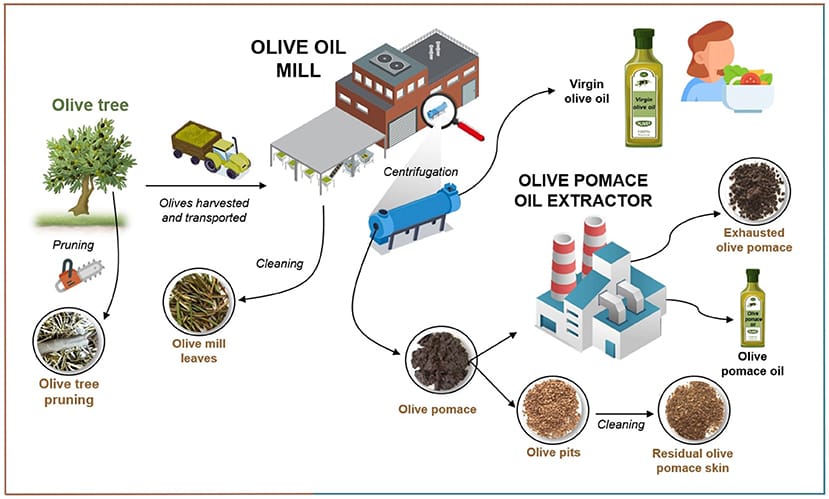
Beyond material innovation, the impact is systemic. By repurposing waste at scale, olive-based textiles contribute to a circular economy where resources are continuously reimagined. Water usage is reduced, landfill waste is minimized, and the lifecycle of agricultural byproducts is extended.
For luxury fashion, this represents a new frontier. Materials are no longer defined solely by rarity, but by responsibility. Olive pit textiles embody a future where innovation and regeneration are seamlessly intertwined.


