

When we talk about bio-materials, most conversations focus on what we can see: fabrics, packaging, construction materials, or alternatives to plastics. Yet one of the most powerful bio-materials shaping sustainable systems today remains largely invisible.
Biochar
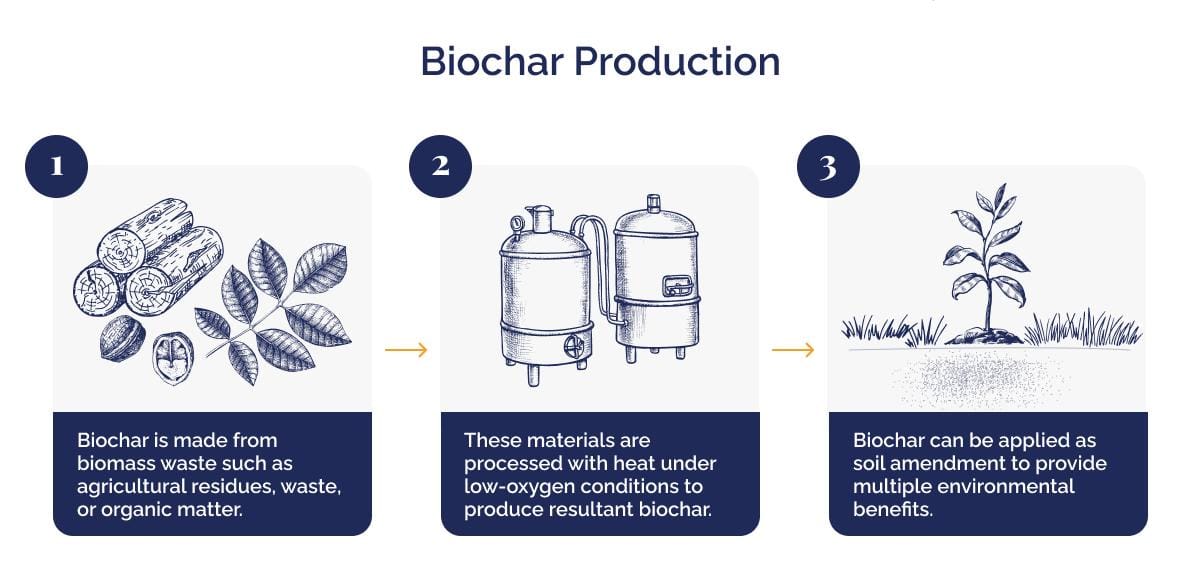
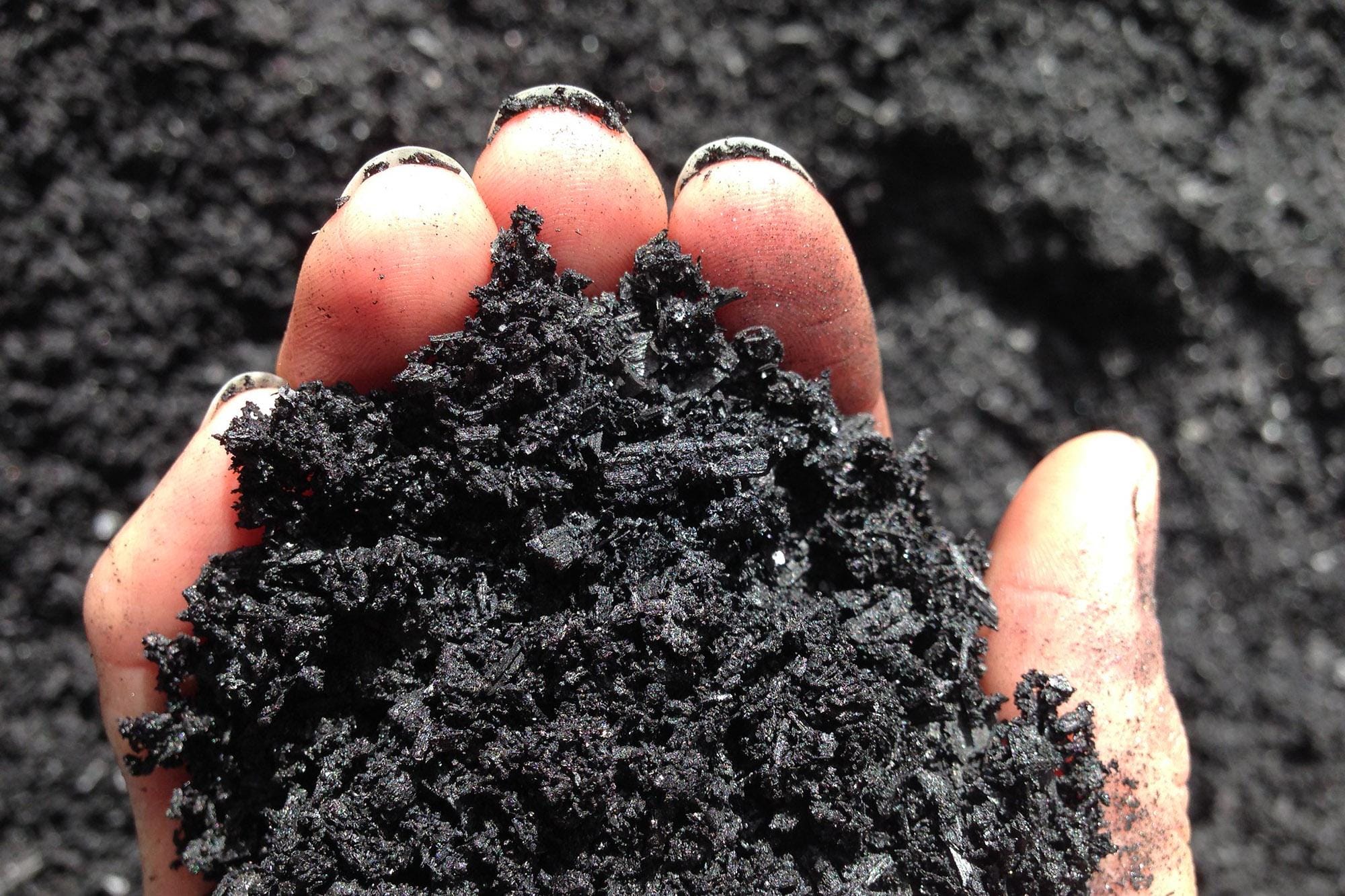
At its simplest, biochar is organic material transformed through heat in low-oxygen conditions - a process known as pyrolysis - creating a stable form of carbon. But reducing biochar to a technical definition misses its broader significance. Biochar is not merely a product; it is a structural connector between waste streams, land systems, materials, and long-term resilience.
This matters at a time when the stakes are increasingly clear. According to the IPCC, agriculture, forestry, and land use account for roughly 22% of global greenhouse gas emissions. Meanwhile, the FAO estimates that more than one-third of the world’s soils are moderately to highly degraded. These pressures are not isolated - they sit at the foundation of every industry that depends on land-based materials.
Biochar enters precisely at that foundation.
From residue to resource
Biochar often begins where many systems fail: agricultural and organic waste. Rice husks, forestry residues, crop by-products, and other organic matter that would otherwise be burned or left to decompose can be converted into a stable carbon material.
Instead of becoming short-lived emissions, this carbon can remain sequestered in soils for hundreds - and potentially thousands - of years, according to peer-reviewed biochar research and assessments referenced in IPCC reports. In parallel, studies show biochar can improve soil structure, enhance water retention, and increase nutrient efficiency.
Waste is no longer the end of a process - it becomes the beginning of a regenerative loop.
This shift is not symbolic. It alters the architecture of the system itself.
Regeneration, not replacement
Unlike many “green” materials positioned as substitutes, biochar works with existing ecosystems. It strengthens soils, supports healthier crops, and reduces dependency on synthetic inputs. For sectors dependent on natural fibers and bio-based materials - including textiles and emerging bio-labs - this upstream function is critical.
Fashion depends on cotton, linen, hemp, and other land-derived inputs. Land depends on soil. And soil depends on how responsibly organic matter is managed.
From a systems perspective, biochar’s strategic relevance lies in its position: it operates before production, before branding, before sustainability claims. It influences supply chain integrity at the source.
That is where real material transitions begin.
Circularity beyond recycling
Circular economy discussions often stop at recycling or reuse. Biochar invites a broader view - one that includes regeneration and long-term stability.
When organic residues are transformed into biochar and returned to the land, carbon is stabilized instead of released into the atmosphere. Inputs become less extractive. Systems become more resilient. Circularity evolves from a closed loop into a regenerative cycle.
This distinction matters. Regenerative systems are structurally more robust than extractive ones retrofitted with efficiency measures. They address root causes rather than downstream symptoms.
Why biochar belongs in the bio-materials conversation
Biochar rarely appears on magazine covers or fashion runways. Yet it supports many of the ecosystems and supply chains that sustainable innovation depends on.
As interest grows in bio-textiles, regenerative agriculture, and low-impact material science, biochar deserves attention - not as a trend, but as infrastructure.
It is a reminder that the most powerful innovations are often those operating quietly beneath the visible layer of design.
Looking ahead
The future of sustainable materials will not be defined only by what replaces plastic or captures attention. It will be shaped by how effectively systems reconnect waste, land, and production into coherent, regenerative structures.
Biochar is not a silver bullet. But it is a signal - that real sustainability begins upstream, at the level of system design.
And sometimes, the materials that matter most are the ones doing their work silently.
Author’s Note
The perspective shared in this article reflects the broader work behind SustainMotion360 - a founder-led sustainability intelligence platform focused on interpreting upstream signals, material transitions, and systemic shifts shaping the circular economy.
The work explores how environmental decisions are made long before they become visible products.
For ongoing reflections and system-level analysis:
https://sustainmotion360.com


