Video by Rostislav Uzunov
The movement of bio textiles reflects a profound shift in how materials are conceived, produced, and valued within contemporary design and fashion.
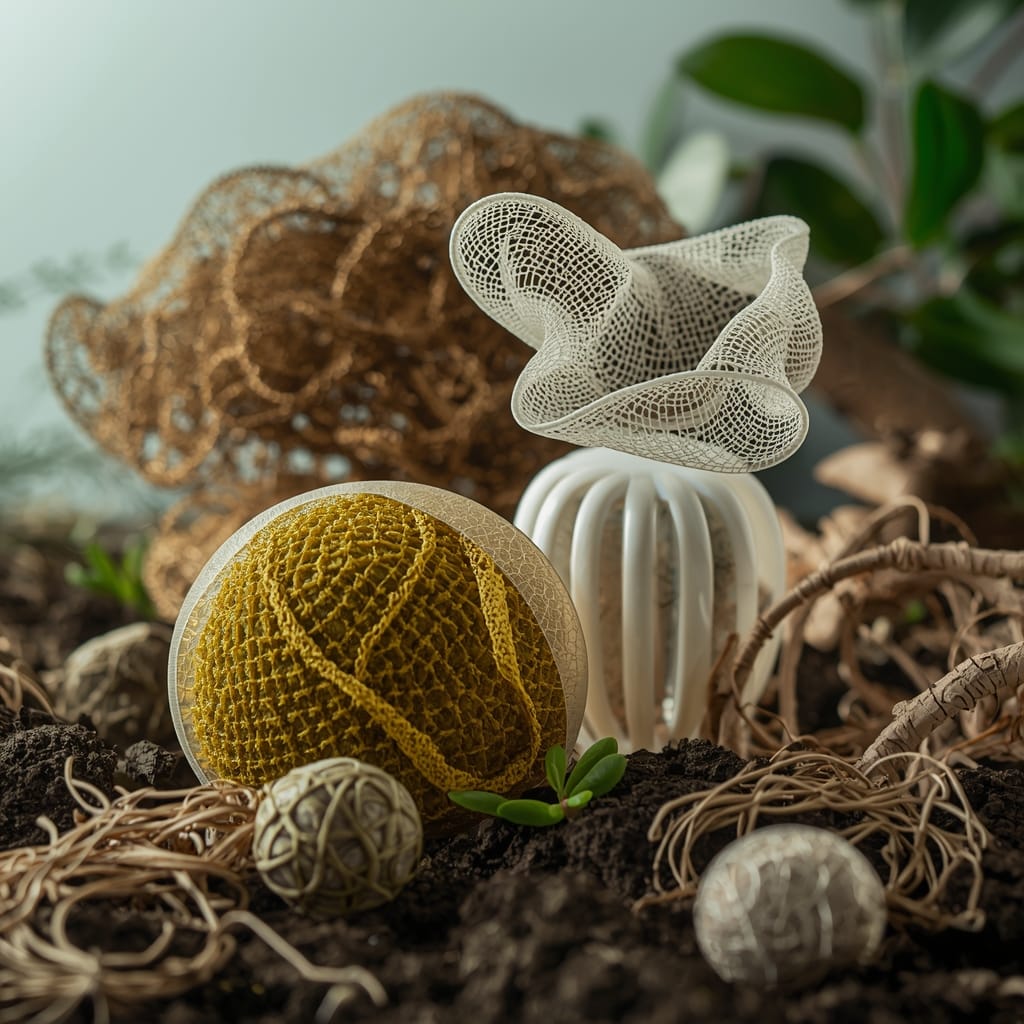
Bio textiles are fibers and fabrics cultivated from living organisms or biological processes rather than fossil based resources. Derived from inputs such as mycelium, bacterial cellulose, algae polymers, and fermentation grown proteins, these materials represent a new intersection between science, sustainability, and craftsmanship.
Cultivating Organisms
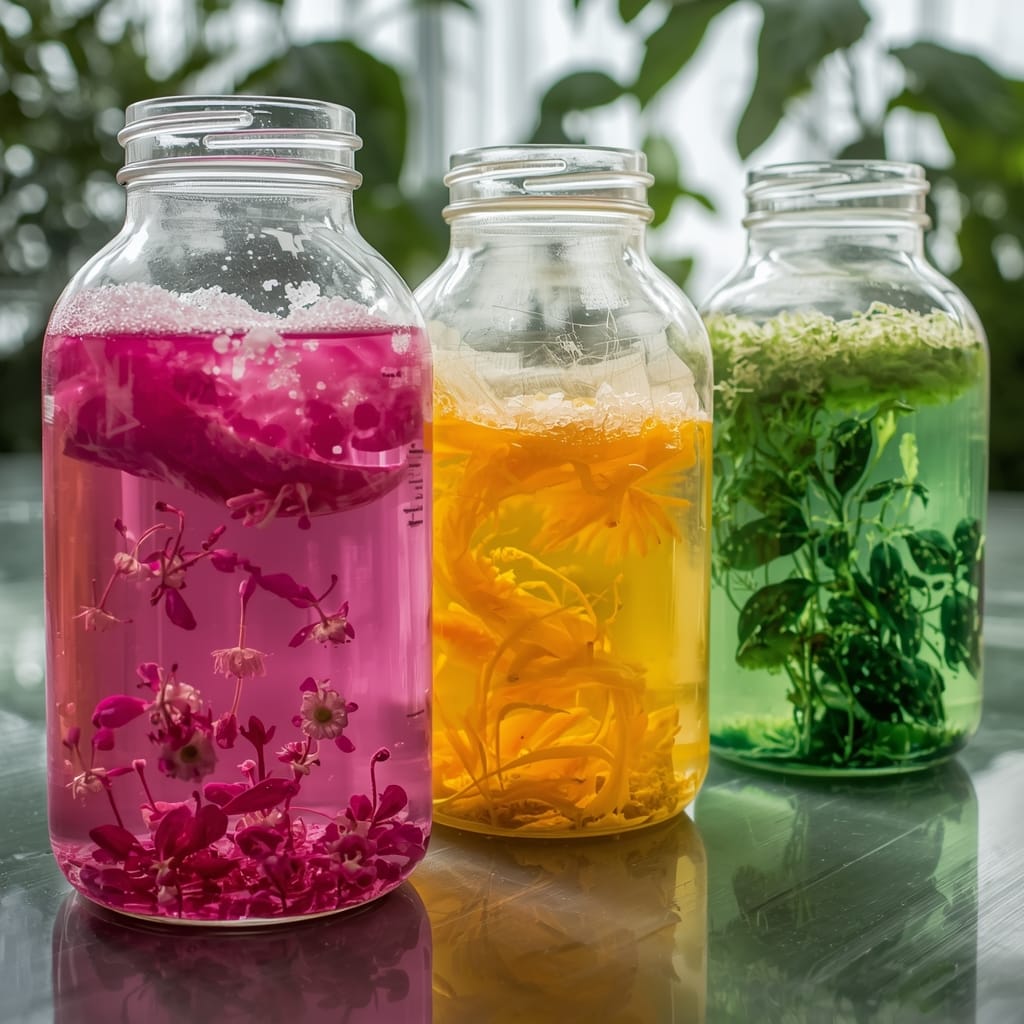
Unlike conventional textiles, which often rely on petrochemicals and resource intensive supply chains, bio textiles are designed with their full lifecycle in mind. Many are biodegradable, compostable, or capable of reintegration into natural systems. Their development begins inside bio labs where researchers cultivate organisms under controlled conditions, guiding growth patterns to produce consistent fibers, sheets, or composites. Through refinement processes such as drying, tanning alternatives, and natural finishing, these materials achieve durability, flexibility, and aesthetic refinement suitable for luxury applications.
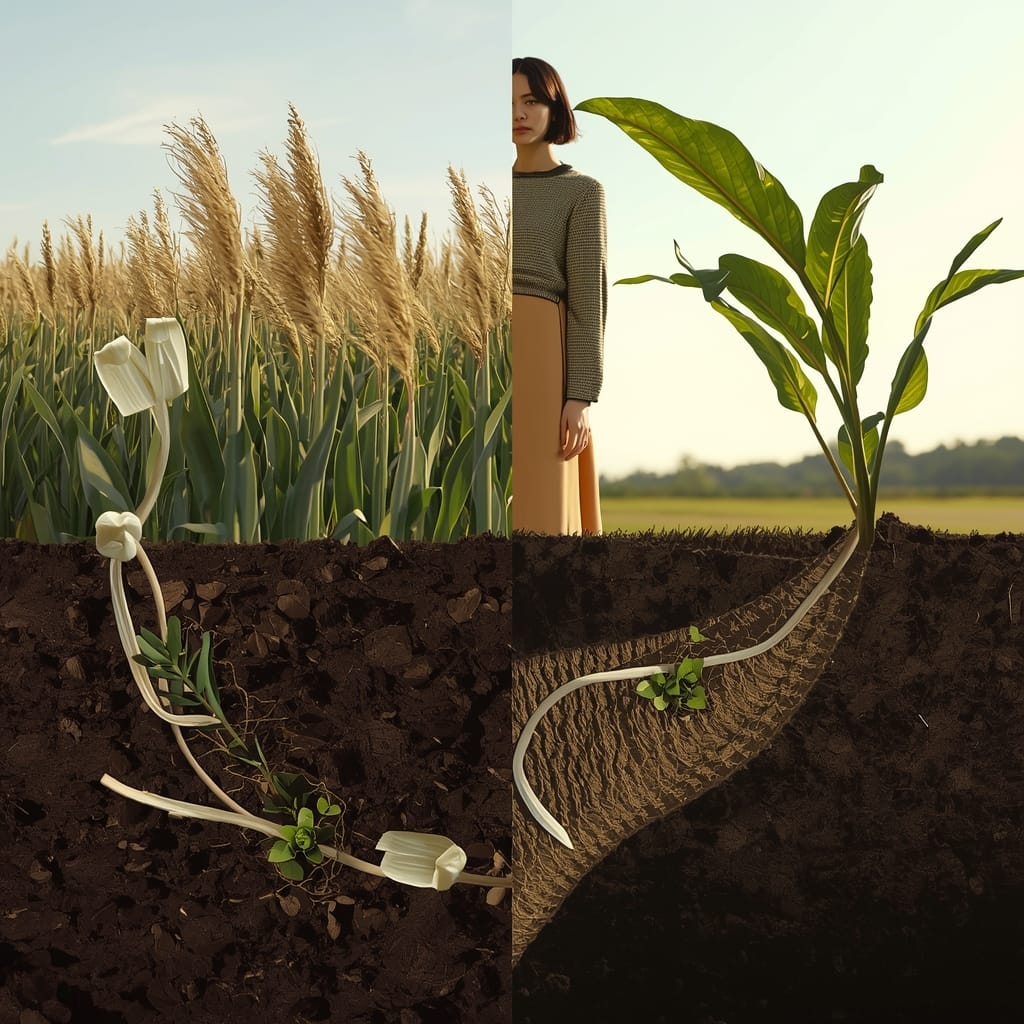
The rise of bio textiles is closely tied to regenerative models that prioritize ecological restoration rather than simple impact reduction.