

Lab grown diamonds represent one of the most significant shifts in contemporary fine jewelry, merging scientific precision with evolving expectations around ethics, transparency, and sustainability. Chemically, physically, and optically identical to mined diamonds, lab diamonds are real diamonds created through controlled technological processes rather than geological formation.
Production occurs primarily through two methods: High Pressure High Temperature and Chemical Vapor Deposition. The High Pressure High Temperature process replicates the intense natural conditions under which diamonds form beneath the earth’s surface, using carbon and extreme pressure to produce crystalline structures. Chemical Vapor Deposition, by contrast, grows diamonds layer by layer from carbon rich gases within sealed chambers, allowing greater control over clarity and color. After formation, stones are cut, polished, and graded using the same standards applied to mined diamonds.
Transparency and traceability
From an ethical perspective, lab diamonds appeal to consumers seeking transparency and traceability. Their supply chains are typically shorter and more verifiable, avoiding many concerns historically associated with mining practices. Environmentally, they also offer advantages, particularly when produced using renewable energy sources and water efficient systems. However, sustainability outcomes vary depending on production methods and energy inputs, making transparency essential.
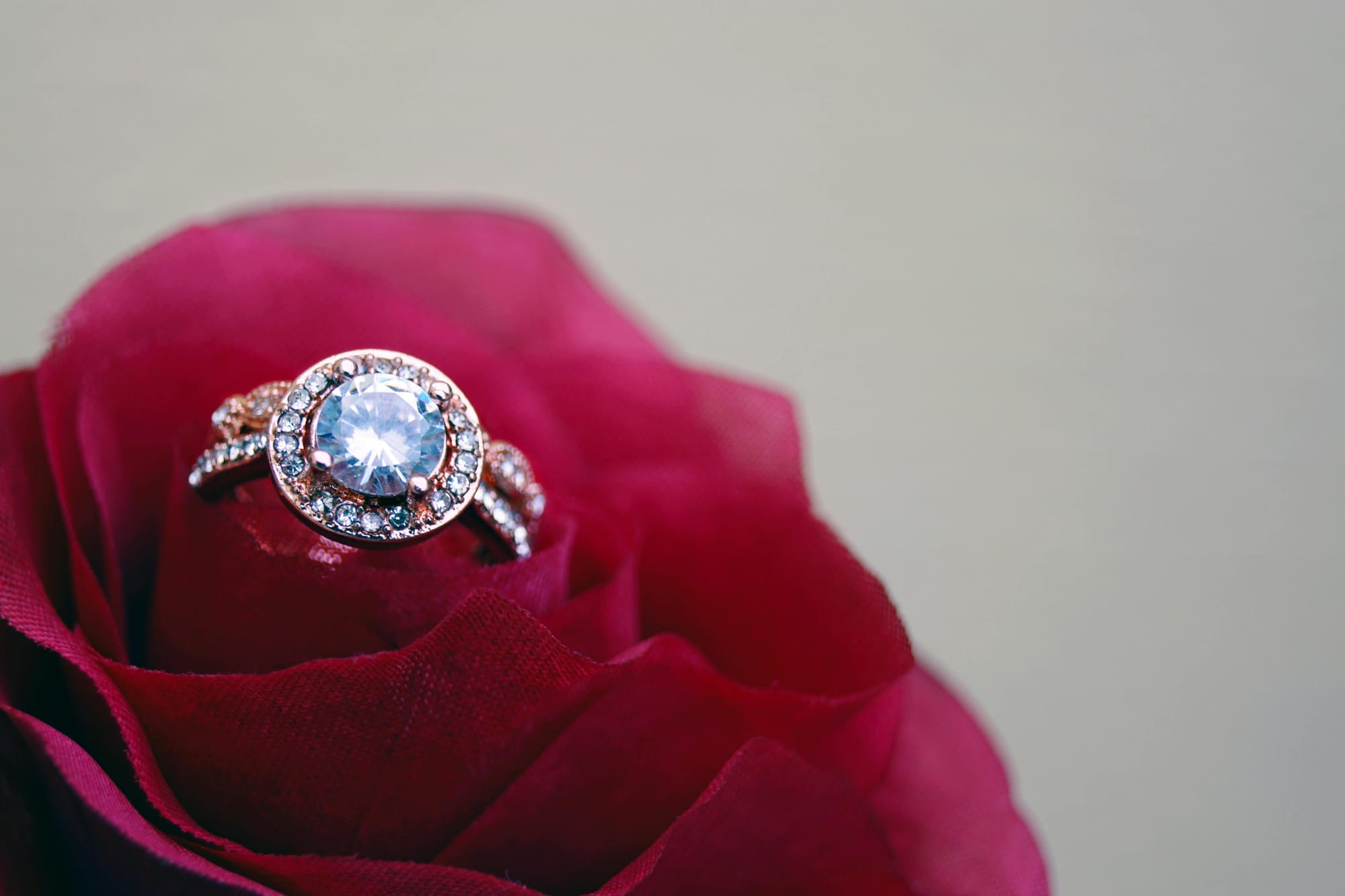
Within the luxury market, lab diamonds are increasingly embraced for both aesthetic and philosophical reasons. Designers value their consistency and versatility, while clients appreciate their alignment with modern values of responsibility and innovation. They also enable more ambitious creative expression, as larger or more complex stones become accessible without additional environmental strain.
A cultural shift
Lab grown diamonds do not replace natural stones but expand the definition of luxury itself. They reflect a cultural shift toward informed consumption, technological sophistication, and ethical awareness. For today’s discerning clientele, brilliance is no longer defined solely by rarity, but by the intelligence and intention behind its creation.


