

Turning agricultural waste into luxury material
Pineapple leaves, once discarded after harvest, are now at the forefront of sustainable material innovation. This transformation exemplifies how agriculture and fashion can intersect to create value from waste.
Derived from the fibers of pineapple leaves, this material offers a plant-based alternative to traditional leather and synthetic textiles. The extraction process requires no additional land, water, or pesticides, as it utilizes existing agricultural byproducts.
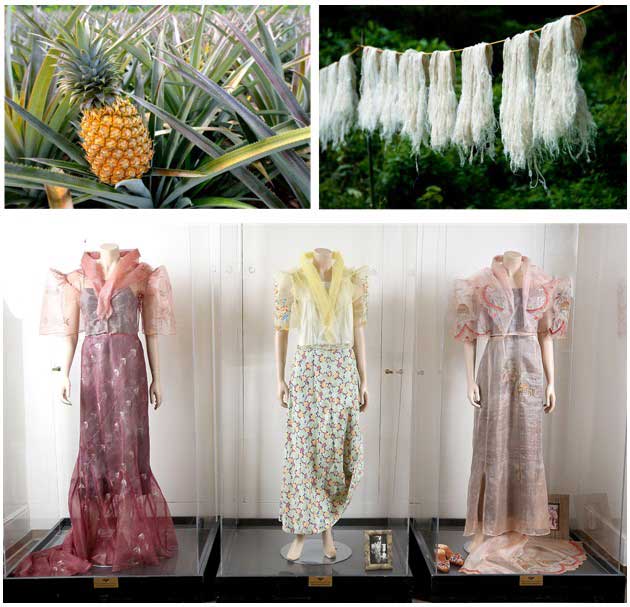
The fibers are stripped, processed, and formed into a non-woven textile that is both durable and versatile. Known for its lightweight structure and textured finish, pineapple-based fabric has gained recognition among designers seeking ethical alternatives without sacrificing aesthetic appeal.
Beyond its material qualities, the social impact is equally significant. Farmers benefit from an additional revenue stream, while local communities participate in a more diversified and sustainable economy.
In the context of luxury, pineapple textiles challenge conventional definitions. They demonstrate that innovation, ethics, and design excellence can coexist. What was once agricultural residue is now a symbol of forward-thinking craftsmanship.


