

by Kristine Upesleja
Founder and President of
MADISONS -Innovative Materials,
a consultancy at the forefront of
sustainable innovation, biodesign,
and future-forward material
strategies.
For over a decade, design is undergoing a major technological, and also a major materials revolution. As the pressure to reduce carbon emissions and to cut waste due to climate change intensifies, a completely new approach and expertise in the textiles and design industry is required. We need to merge three disciplines: design, science, and technology. Tools, materials, processes and manufacturing are changing! Collaborations with other industries are inevitable. New job descriptions such as Materials Alchemist, Synthetic Biologist, or Design Futurist will be necessary to move forward! Designers need to explore electronics, software, bioengineering and AI. Engineering fashion and design means bringing in new materials and new ways of making things.
Material manufacturers and designers are embracing a new trend: natureinspired and post-industrial materials that do much more than look good. From mushrooms to algae, from reclaimed wood, and creating materials from food and plastic waste, or exploring materials that have been grown in the lab, the palette of what’s possible is expanding fast. Let’s take a look at the major trends of today that are shaping the design of tomorrow:

Bio-GrownMaterials: WhenNature Becomesthe Factory.
WHAT if our materials could be grown in the lab?
A new chapter in material innovation is emerging. Bio-grown materials represent a groundbreaking shift in design: instead of harvesting natural resources from the earth, we can now cultivate new materials directly in the lab. Material companies and designers are shifting from sourcing natural materials from the soil to growing them in controlled laboratory environments—where nature becomes the factory.
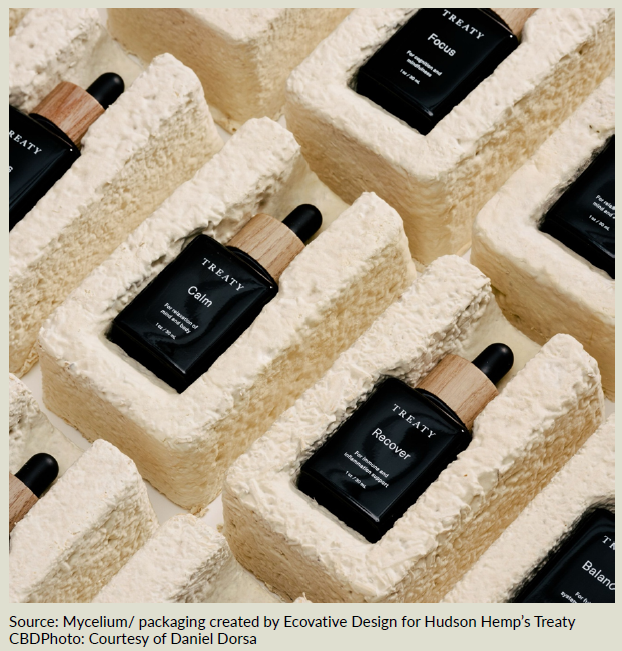
Nowadays everyone is talking about the potential of mycelium & fungalbased composites. The root structure of fungi — mycelium — is proving to be a game-changer. Composites grown with mycelium can be molded into textiles, insulation panels, furniture components, packaging materials, or even structural elements. They are highly sustainable, often made from agricultural waste substrates, and can be composted at end-of-life. What makes them particularly compelling: they blur the line between living systems and built systems. Luxury brands such as Hermes and Stella Mc Cartney are partnering with start ups on biodegradable leather alternatives.
Algae, bioplastics&plant-basedmaterials
Another hot topic are bioplastics derived from corn starch, sugarcane, algae and similar biomass. These replace conventional petroleum-based plastics, often deliver similar performance, and can be better aligned with circularity. However, there’s still a downside to it since many of the so-called bioplastics can’t be recycled properly because of the lack of appropriate recycling facilities.
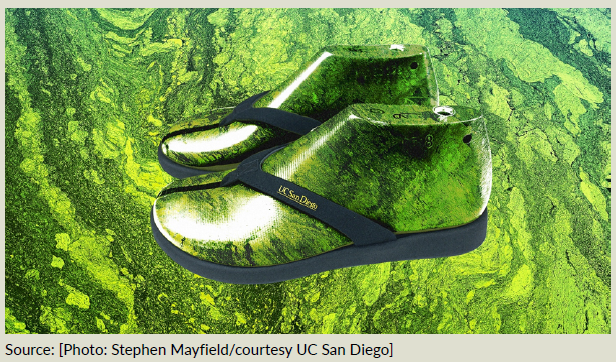
A small lab in San Diego called ‘Algenesis’ has found a solution to the world’s flip-flop problem. It’s developed a biodegradable, algae-based polyurethane, the foamy plastic that’s commonly used to make the footbeds of shoes and sandals. This plastic has the potential to transform not only the $215 billion footwear industry but also the $1.2 trillion plastic industry, which churns out more than 300 tons of plastic every year.
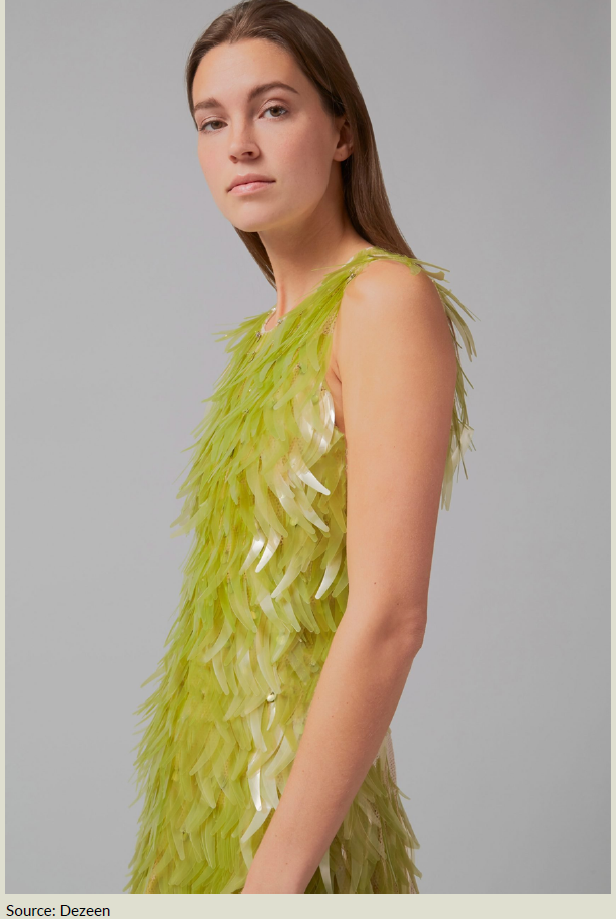
Fashion designer Phillip Lim has teamed up with industrial designer Charlotte McCurdy to create a petroleum-free dress covered in bioplastic sequins.
Algae bioplastic fronds are sewn onto a biodegradable base layer made of plant fibers. This makes the dress free of crude-oil derivatives such as synthetic fibers, dyes and plastic sequins. Unfortunately, at this point, there are no plans to make the garment commercially available beyond custom orders. Rather, McCurdy sees it as a "concept dress" that offers a vision of what a zero-emissions future could look like.
MaterialsmadefromFoodWaste:
We are not only drowning in plastic but also in food waste. We produce and toss too much food. We need to redefine our approach to waste materials. Discarded materials are highly valuable resources that can be fed back into the manufacture and energy system, reducing costs and ecological impact.
A groundbreaking company called ‘Polybion’ creates a revolutionary biomaterial, called ‘Celium’ sourced from the cellulosic bacteria of fruit waste. They’ve been collaborating with fashion brand ‘Ganni’ on numerous projects.
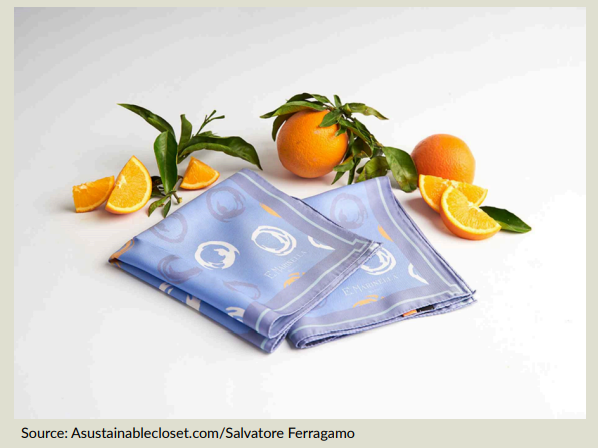
An Italian company, ‘Orange Fiber’ produces fabrics made from citrus juice by- products, using patented processes to create sustainable and innovative materials for fashion. In the past they collaborated with high fashion brand Salvatore Ferragamo who is the first company which created a collection made from citrus waste.
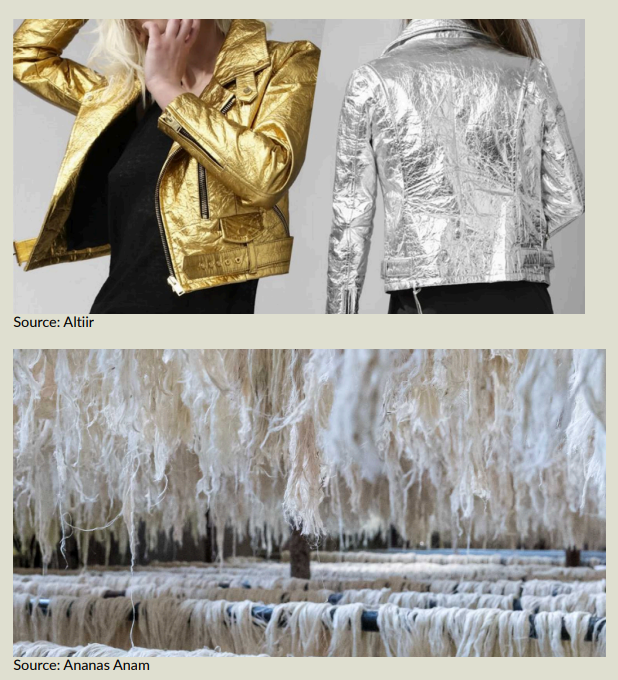
Similarly, plant-based leathers made from pineapple-leaf fibers, orange peels, or apple leather like materials made from the left -overs from apple juicing, are disrupting the fashion and interior textile world.
The company ‘Ananas Anam’ has created a plant based leather- like material, called ‘Pinatex’ which is made from pineapple leaf fibers. Italian fashion brand Altiir has launched cruelty-free gold and silver biker jackets made from ‘Pinatex’.
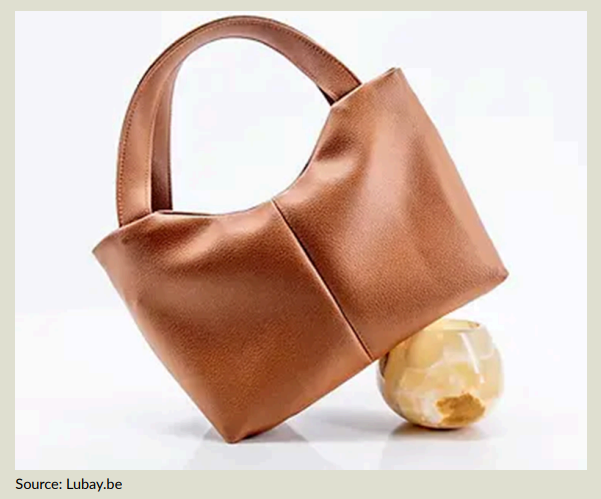
Copenhagen based apple leather-like material company ‘Leap’ uses a patented process to transform apple waste from European juice and cider production into a high-performance material.
At its core, nature is becoming the factory, the raw material source, and in many cases, the solution for end-of-life disposal. Why is this important? Because cultivating materials instead of extracting and processing traditional industrial ones can significantly reduce emissions. Many of these new biomaterials are renewable or compostable. For designers, materials that are grown—materials with natural variation, texture, and a sense of life —offer a depth and character that uniform industrial surfaces cannot. And since biobased materials often contain fewer harmful chemicals (such as lower levels of formaldehyde and solvents), they also support the growing demand for wellness-focused interiors.
The bigger question, however, is, how quickly the textile and design sectors can meet this challenge and scale sustainable innovations into massproduced solutions. The world depends on bold thinkers and creators who are willing to invest their time, resources, and imagination into building a new materials ecosystem that doesn’t harm the planet.
Website: madisonsinnovative.com
IG: madisonsinnovative
Linkedin: Kristine Upesleja


