

Shades of Sustainability: Sustainable Color Trends Shaping Tomorrow's Designs
As the world becomes increasingly aware of environmental issues, sustainable practices have permeated industries such as fashion, interior design, and product development. One emerging trend is the rise of sustainable color solutions that not only reflect aesthetic shifts but also align with eco-friendly and ethical values. The integration of sustainability into design has reshaped how we view color, moving from synthetic and harmful chemicals to natural, recycled, and innovative alternatives. In this article, we explore the concept of sustainable color trends and how they are shaping the future of design.
Emerging Color Palettes Rooted in Nature
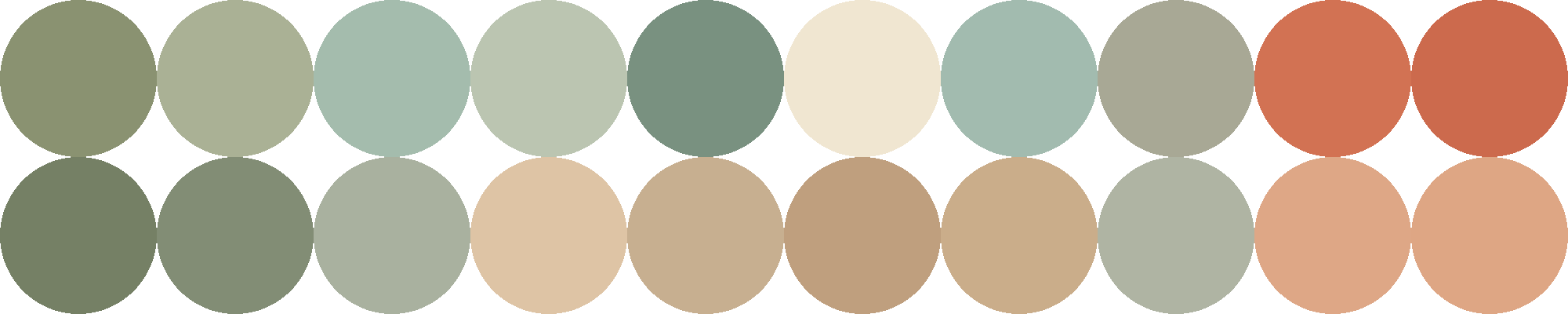
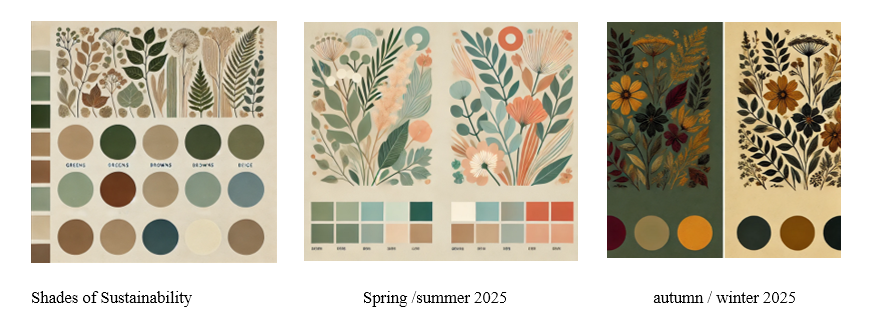
Sustainable color palettes are inspired by nature’s hues—earthy tones, muted greens, blues, and natural neutrals. These color schemes embody a deep connection to the environment, showcasing an organic aesthetic that resonates with eco-conscious consumers. This return to natural colors not only mirrors the external world but also reflects a harmonious design principle where aesthetics meet responsibility.
Brands are increasingly adopting recycled materials like textile waste, plastic bottles, and industrial byproducts in their color production processes. These materials introduce new and unique variations, further enhancing the palette’s diversity. As sustainability becomes a driving force in design, the use of these eco-conscious palettes will likely grow, reflecting a deepened commitment to the environment.
Reviving Traditional Techniques with Modern Sustainability
The sustainable color movement is also about reviving time-honored techniques such as indigo dyeing, vegetable tanning, and natural fermentation methods. These methods have a lower environmental impact compared to synthetic dyes, which rely on petroleum-based chemicals. The use of plant-based dyes and mineral pigments presents a more sustainable alternative to toxic and polluting synthetic dyes. Not only do these methods reduce harm, but they also help preserve cultural heritage, linking modern design to traditional craftsmanship.
Innovative Dyeing Techniques and Technological Advancements
Technology has played a significant role in advancing sustainable color production. From biotechnology innovations such as pigments derived from microorganisms like microalgae to digital customization, the future of color production is being reshaped.
For example, the use of bacteria and fungi in producing vibrant, eco-friendly dyes reduces reliance on synthetic chemicals. Additionally, digital tools like 3D printing and AI-powered color matching allow for personalized, on-demand color production, minimizing waste and maximizing efficiency.
Case Studies: Fashion and Interior Design
Many leading brands have embraced sustainable color practices. Patagonia, a well-known outdoor clothing brand, has minimized its environmental footprint by using recycled polyester, organic cotton, and plant-based dyes in its collections. Scandinavian furniture company Vestre has adopted the use of recycled plastics and vegetable-based stains, pioneering vibrant and eco-friendly furniture design.
Similarly, cosmetics brand Lush has made strides by using biodegradable packaging and plant-based pigments, while interior design firms are creating holistic environments using sustainable color palettes and natural materials. These case studies highlight the potential for sustainable colors to drive innovation across industries.
Challenges and Opportunities
Despite the progress, the sustainable color movement faces challenges. One of the primary barriers is scalability—meeting the growing demand for eco-friendly color solutions while maintaining quality and affordability is a complex task. Additionally, the availability of sustainable raw materials such as natural dyes can be limited, leading to supply chain challenges. Educating consumers about the value and benefits of sustainable colors is also crucial to driving wider adoption.
Conclusion: The Future of SustainableColors
The future of design lies in sustainability, and color is no exception.
As designers, manufacturers, and consumers grow more conscious of their environmental impact, sustainable color trends will continue to gain traction. Through innovative technologies, revived traditional techniques, and a commitment to eco-consciousness, the design world is poised to embrace sustainable colors in every shade and form. By doing so, we not only enhance the visual landscape but also contribute to a more responsible and environmentally friendly future.
Muhammad Fawad Noori
Vice Chair - IFAN International Fashion & Arts Network
Design & Education Consultant @ GSFW


