
All our social and environmental problems are driven by our worldview. And it is clearly not working. We need another view of the world and ourselves if we are to live sustainably: a worldview that sustains us, the web of life, and the planet. I believe that this worldview is Circular and Systemic because that is how life is. This shift becomes the basis for living life in a sustainable manner
Weneedtoreimagineandrebuildour worldbasedonthisunderstanding.
So in order to make this shift, we need to practice Self-Circularity in order to take life experiences to the next level.
Awareness of circularity continues to grow, yet global circularity is in decline. This is a stark reminder that action must be swift and decisive. There is perhaps a silver lining?
Unlocking economic opportunities and fostering innovation
The circular economy must no longer be a side conversation; it should sit at the core of every CEO’s agenda. Adopting circular solutions is vital to ensure resilience amid climate turmoil, resource shortages, and economic volatility.
Circular fashion significantly reduces environmental impact, conserves resources, and promotes sustainability, while also offering economic benefits and creating new business opportunities. By extending the lifespan of garments, reducing waste, and encouraging innovative design strategies, circular fashion helps address the urgent challenges of the fashion industry.
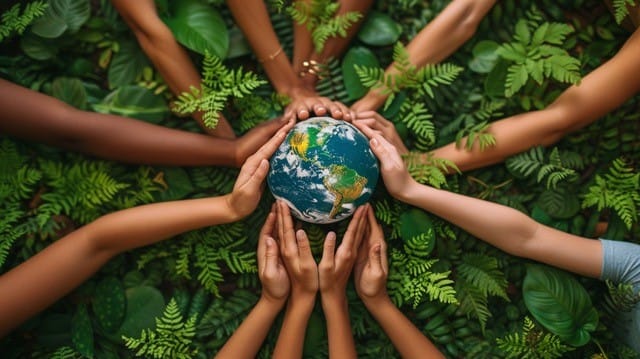
While the public sector and financial institutions play a vital enabling role, more companies are recognizing the need to rethink how they design products, source materials, and close the loop on their waste streams. These changes are crucial to achieving a genuinely circular economy.
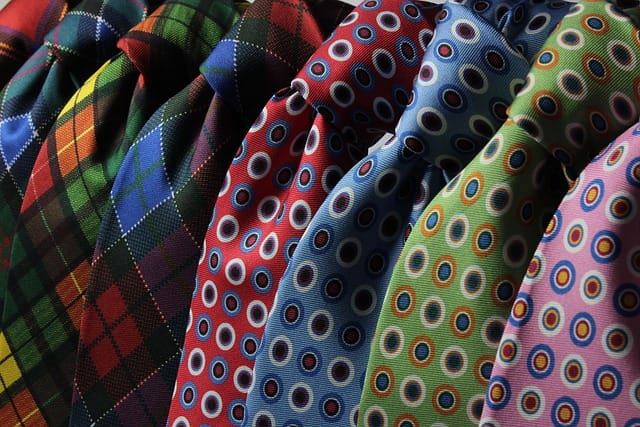
OverproductionandOverconsumption
The continuous cycle of overproduction and overconsumption within a linear system is fueled by aggressive marketing, omnipresent advertising, and the persuasive power of influencers.
This creates a culture of impulsive purchasing, enticing consumers with the allure of low prices and the promise of bolstering their sense of personal identity and social acceptance. The linear model significantly contributes to textile waste by encouraging the disposal of clothing and footwear after minimal use or when trends shift. Consequently, these items often end up in landfills, get incinerated, or are sent to developing nations, resulting in numerous environmental and social complications.
BecomingFuture-Proof
Recognizing the pressing threat of limited resources and growing consumer concerns about environmental and social impacts, the fashion industry is shifting towards a circular economy and I am very optimistic that more successful initiatives like Green Glamour World will follow, supporting visionary fashion designers and business leaders to transform and become future-proof.


