
In the glittering world of fast fashion, cheap jewelry is everywhere—lining checkout counters and feeding the need to accessorize on a whim. But behind the sparkle lies a darker reality: many of these mass-produced accessories are laced with toxic metals, putting human health and the environment at risk.
Harmfulmetals,healthrisks,and theenvironmentalfalloutoffast fashionaccessories.
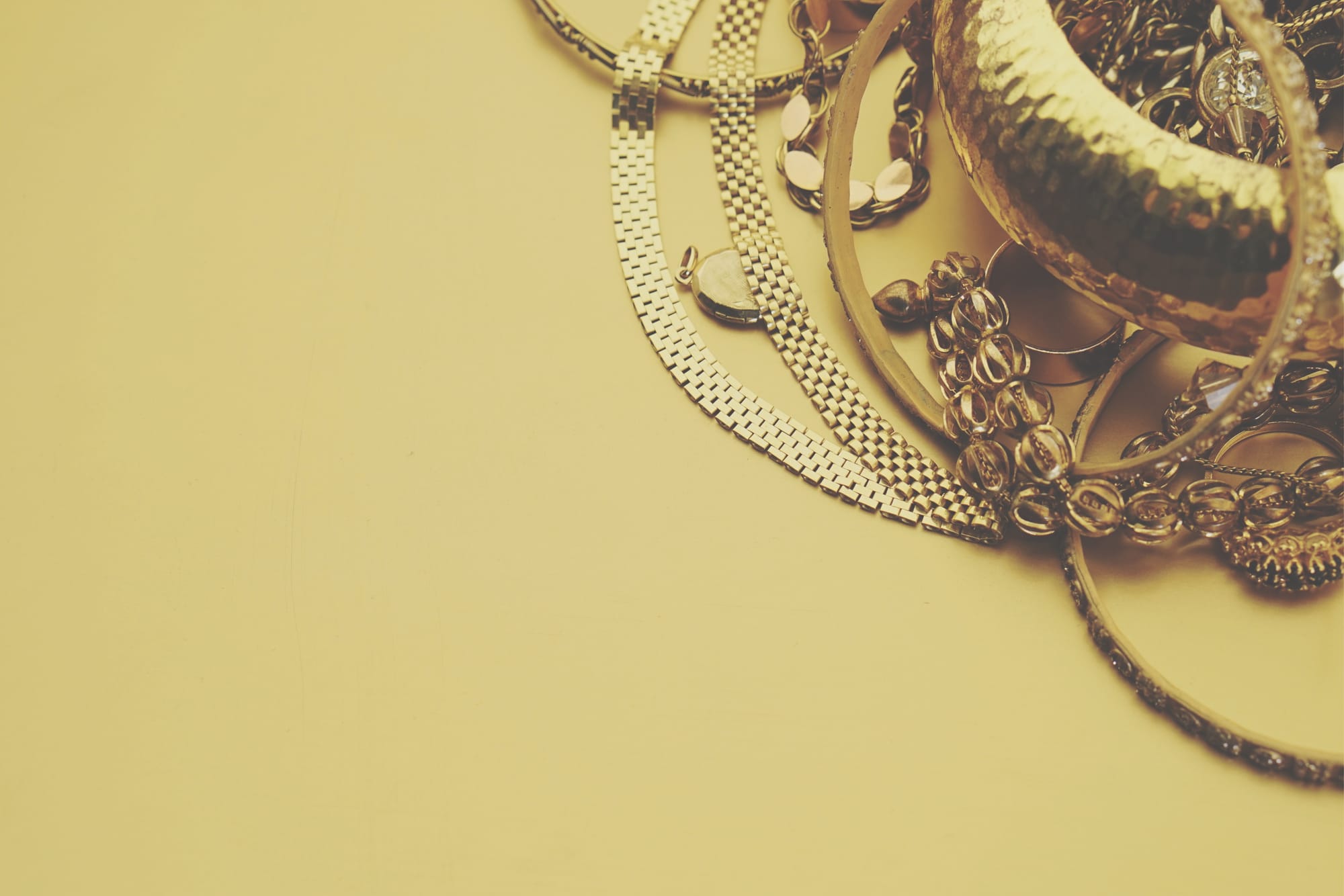
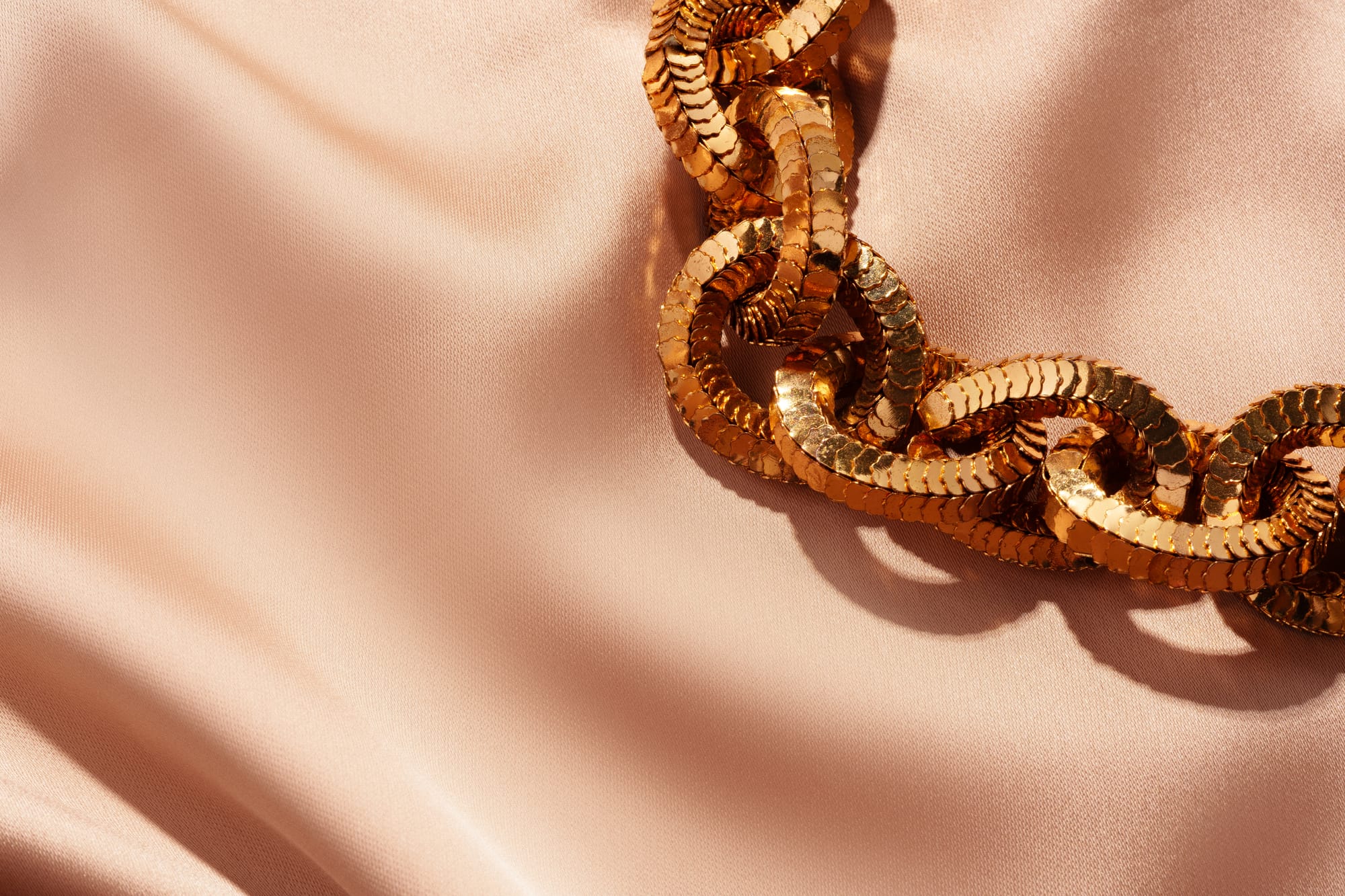
Fast fashion jewelry is designed for short-term use. To keep production cheap, manufacturers often rely on metals like lead, cadmium, and nickel—substances banned or heavily restricted in many countries. These toxic elements are hazardous not only to the workers who handle them but also to the people who wear them.
TheHiddenCostofCheapShine
What your jewelry isn’t telling you— harmful metals, health risks, and the environmental fallout of fast fashion accessories
Fast fashion jewelry is designed for short-term use. To keep production cheap, manufacturers often rely on metals like lead, cadmium, and nickel—substances banned or heavily restricted in many countries. These toxic elements are hazardous not only to the workers who handle them but also to the people who wear them.
SkinDeep,ButNotHarmless
The danger isn't just internal. Nickel, commonly used in cheap jewelry, is one of the leading causes of allergic contact dermatitis, triggering rashes and persistent skin irritation. With continued exposure—especially when mixed with sweat—heavy metals can leach into the skin and accumulate in the body over time.
The risks are even greater for children, who may mouth or swallow jewelry. Small amounts of lead or cadmium can have devastating effects on a child’s developing nervous system, including irreversible damage.

FromFactorytoLandfill
The environmental toll is just as disturbing. Metals used in fast fashion jewelry are often mined in countries with weak regulations, contributing to deforestation, contaminated water, and air pollution. Toxic byproducts from mining and refining processes seep into the land and surrounding communities.
And once discarded, these accessories don’t vanish. Most end up in landfills, where heavy metals leach into soil and groundwater, harming ecosystems and people—especially in developing nations burdened with our waste.
WhyEthicalJewelryMatters
Thankfully, ethical jewelry brands are rising to meet this challenge. These companies use recycled, non-toxic, and responsibly sourced materials, prioritize worker safety, and create pieces designed to last. Transparency, traceability, and fair wages are essential to this movement, proving that jewelry can be stunning without being harmful.
WhatYouCanDo
As consumers, we have power. Choose brands that are committed to ethical practices. Look for certifications like Fairmined, Fairtrade Gold, or B Corp. Invest in fewer, higher-quality pieces—and when possible, go vintage or recycled to keep materials in circulation.
RedefiningGlamour
Toxic bling is more than a fashion faux pas— it’s a health and environmental crisis. At Green Glamour World, we believe true luxury is rooted in responsibility. It's time to move beyond disposable adornment and toward a future where beauty, ethics, and sustainability truly shine.


