

Plastic pollution remains one of the defining environmental challenges of our generation.
But scientists are developing new approaches that could change how plastic waste is recovered, processed, and reused.
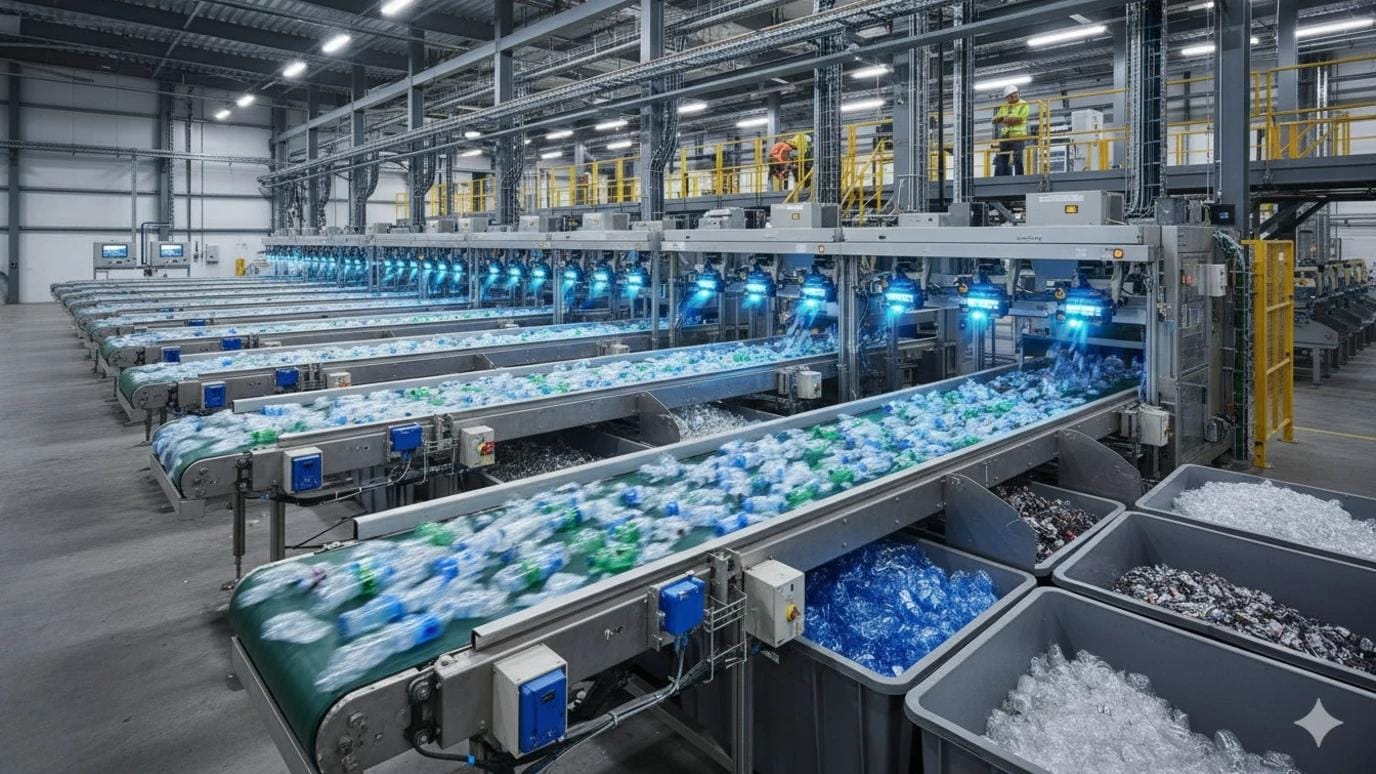
A June 2026 scientific review published in Nature Reviews Materials examined emerging technologies capable of separating and recycling complex plastic mixtures.
These materials are particularly challenging because they often contain multiple polymers, additives, and contaminants.
Researchers highlighted promising techniques, including solvent-based separation and chemical depolymerization, which can break certain plastics into components suitable for further processing. Nature
Another 2026 study, published in Nature Reviews Clean Technology, explored the potential contribution of biodegradable plastics.
Its modeling suggested that biodegradable materials could reduce accumulated plastic waste under certain future scenarios. However, the researchers emphasized that their environmental benefits depend heavily on waste management systems and the materials being replaced. Nature
These findings are particularly relevant to the beauty, fashion, and hospitality industries, where plastic packaging and synthetic materials remain widespread.
The challenge is not simply developing alternatives.
Solutions must also be affordable, scalable, safe, and compatible with existing recycling infrastructure.
Scientists increasingly recognize that no single technology can solve plastic pollution.
Prevention, reuse, better product design, and improved recycling must work together.
The GGW Perspective: The ultimate plastic innovation may not be a better way to dispose of plastic, but a smarter way to avoid unnecessary plastic altogether.


