

www.GreenGlamourWorld.com | Stay Informed: Subscribe
As the world searches for innovative solutions to the plastic pollution crisis, researchers continue to explore one of Earth most unexpected resources: fungi.
Among the most intriguing discoveries is Pestalotiopsis microspora, a fungus identified in the Amazon rainforest that has demonstrated the ability to break down polyurethane, a durable plastic commonly used in insulation, packaging, furniture, adhesives, and numerous industrial products.
Unlike conventional recycling methods, this organism has shown the ability to survive and digest certain plastics even in environments with very little oxygen, making it particularly interesting for scientists studying landfill waste and future recycling technologies.
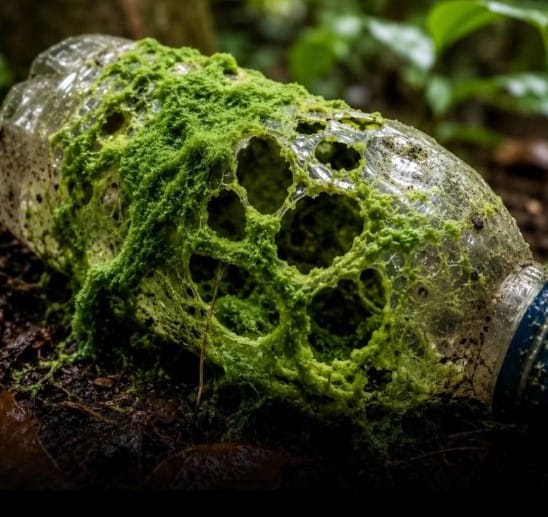
Researchers are now examining the enzymes produced by this fungus to better understand how they interact with plastic materials. The long term goal is to determine whether these natural biological processes could one day support more efficient recycling systems, reduce landfill accumulation, and contribute to a circular economy.
While laboratory research has produced encouraging results, experts emphasize that this technology remains in the research phase. Additional scientific studies, engineering advances, and commercial testing will be required before any large scale application becomes possible.
Nature has repeatedly demonstrated its remarkable capacity for adaptation and innovation. Discoveries such as this remind us that some of tomorrow environmental solutions may already exist within the ecosystems we are working to protect.
#PlasticPollution #CircularEconomy #EnvironmentalInnovation #AmazonRainforest #Sustainability #GreenTechnology #BioInnovation #Recycling #RegenerativeSolutions #ClimateAction #EthicalInnovation #GGW
GGW | Ethical Fashion | Lifestyle | Travel | Circularity | Regenerative Solutions
www.GreenGlamourWorld.com
@greenglamourworld
Subscribe/Membership/Advertise


