

PARIS • TOKYO • COPENHAGEN | OCTOBER 2026
The international fashion industry is experiencing a transformation that extends far beyond seasonal trends.
From Paris to Tokyo, designers are confronting new realities surrounding climate change, textile waste, and responsible production.
During Paris Fashion Week in October 2026, unusually warm temperatures highlighted a growing challenge for luxury houses: traditional fashion seasons are becoming increasingly unpredictable.
With warmer autumns affecting demand for winter clothing, designers and retailers are reconsidering collections, inventory strategies, and the relevance of rigid seasonal calendars. Reuters
In Japan, the 2026 Sustainable Fashion Design Award showcased emerging designers exploring recycled textiles, upcycling, and creative approaches to responsible fashion.
The Tokyo initiative demonstrates how younger designers are integrating environmental considerations into contemporary clothing rather than treating sustainability as a separate category. Tokyo Sustainable Fashion Design Award
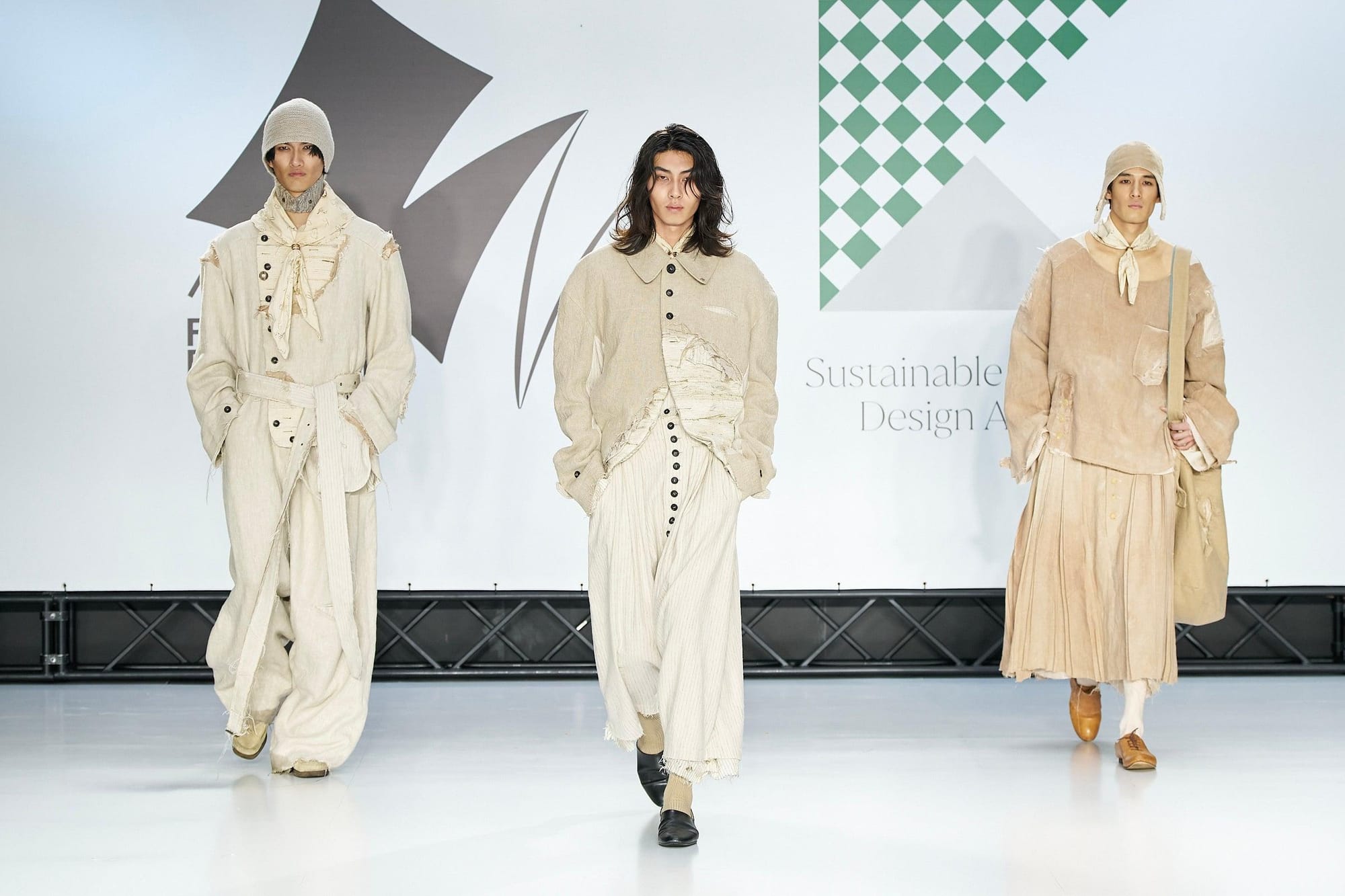
Meanwhile, Copenhagen continues to champion alternative production techniques, including zero-waste weaving and more resource-conscious design.
Together, these developments suggest that sustainable fashion is evolving beyond organic fabrics and recycled packaging.
It increasingly encompasses the entire business model: what is produced, how much is manufactured, how long garments remain desirable, and what happens when they are no longer worn.
For women and men alike, the result could be a wardrobe built around versatility, craftsmanship, and longevity.
The GGW Perspective: The most important fashion trend of the decade may be the movement away from disposable trends themselves.


